
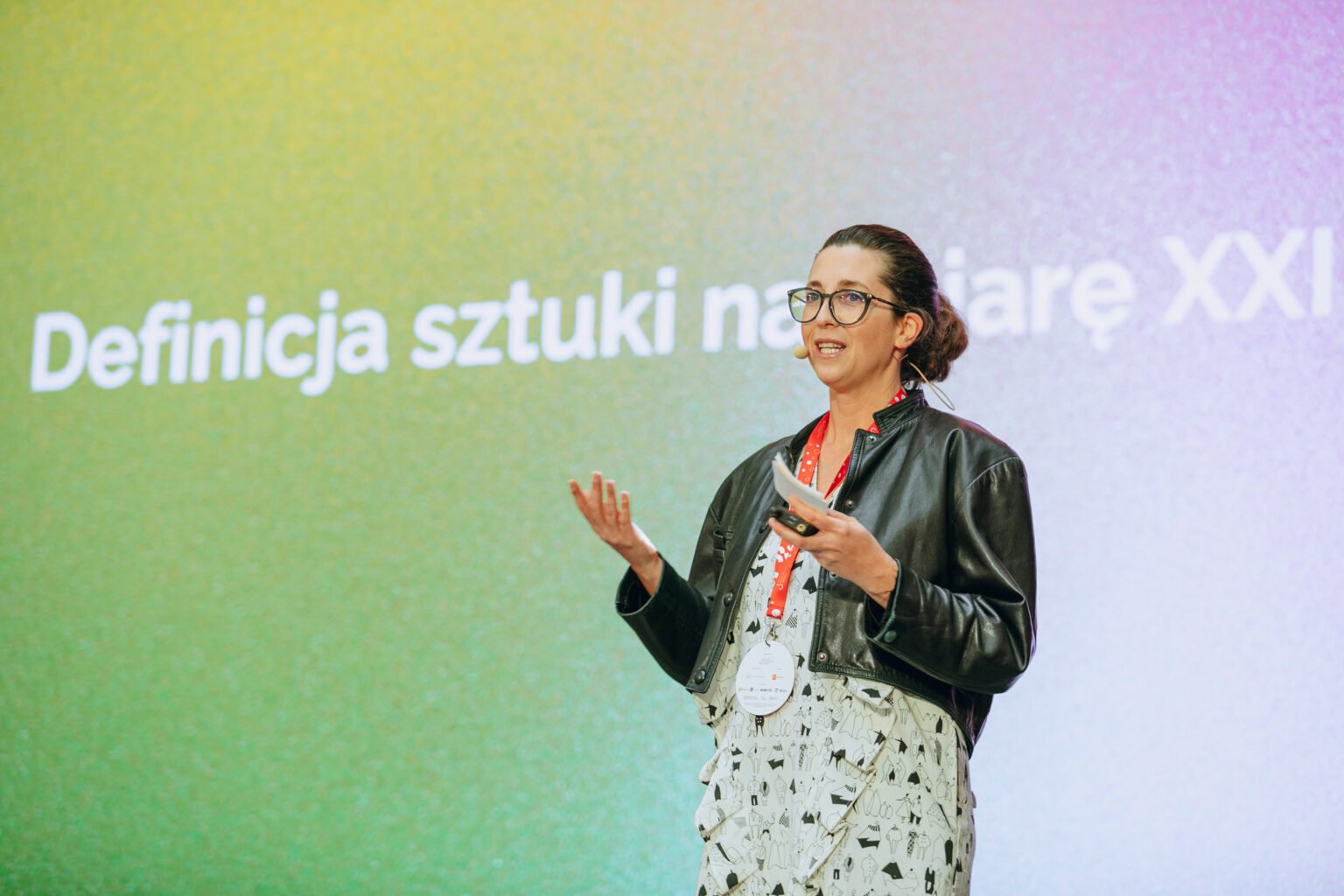
At CultTech Accelerator, we believe that the most compelling innovations emerge at the intersection of culture and technology. Our mentors are the people who embody that belief, practitioners who have built careers bridging creative industries with the fast-moving world of startups and digital transformation. Today, we are delighted to introduce one of those exceptional voices: Agnieszka Cichocka.
Agnieszka’s background spans Art History, European Studies, and years of leadership across Poland’s most important innovation hubs, from District Hall Warsaw to Gdańsk’s Starter Incubator. She was also part of Huge Thing, where she ran acceleration programmes in partnership with Google for Startups and supported the Ukrainian Support Fund through operations. She co-founded Techseed.me, pioneered Poland’s first co-living space for digital nomads, and writes regularly about art and technology for DailyArt Magazine.
In 2025, she took her boldest step yet: launching CreativeTech Poland, her own initiative to reshape how the creative tech ecosystem connects, learns and grows. We sat down with her to talk about what shifted, what surprised her, and what she sees coming next.
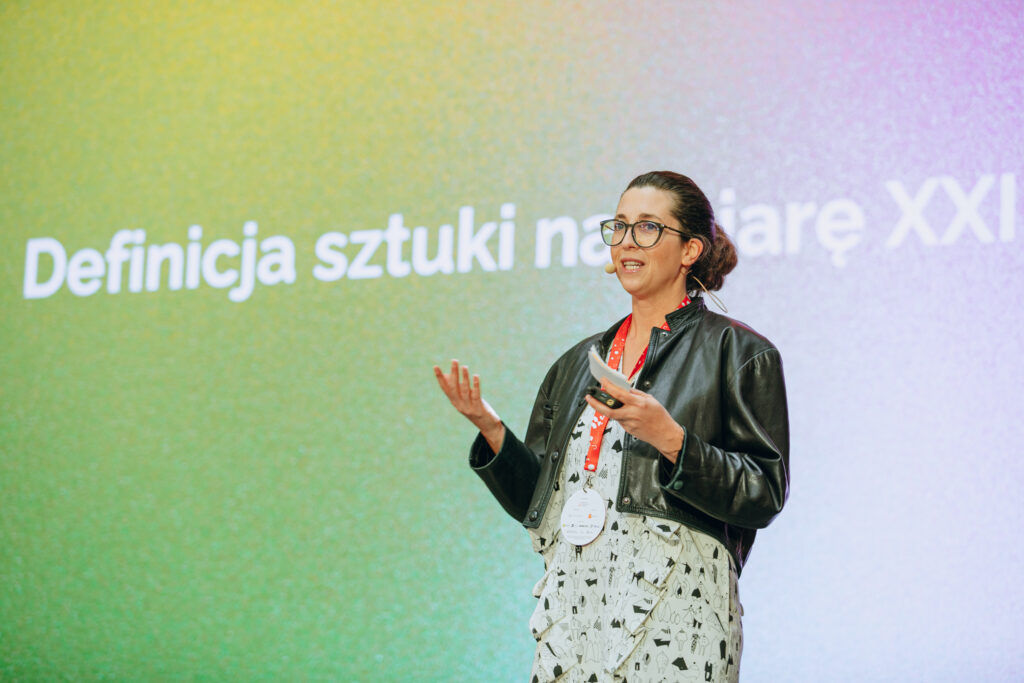
What shifted for you this year, in your practice, mindset, or understanding of the ecosystem?
2025 marked a major shift for me with the launch of CreativeTech Poland. After many years of working for others, I stepped into building something of my own. This changed everything — from how I manage my time, to how I make decisions, to how I think about strategy, partnerships, and sustainability. I now balance working with clients while also developing my own initiatives, which required a completely new mindset and practice.
It also pushed me to rethink the creative tech ecosystem itself. I spent a lot of time asking what it truly needs today. Traditional formats like acceleration programs, incubation, or grant writing feel increasingly insufficient in a world that has changed so rapidly. I started questioning where people find real value now, and what value CreativeTech Poland can genuinely offer.
For me, the answer lies in personalization: personal connection, meaningful feedback, and creating new structures that are more flexible, human, and relevant to current realities.
What surprised you in your work with larger institutions like ZAiKS, or in launching CreativeTech Poland?
Working with ZAiKS made me realize how complex the world of copyright truly is, and also how fascinating it can be, which I never expected to say. What struck me most was seeing how an institution over 100 years old is actively opening up to innovation and change.
Launching CreativeTech Poland was also personally a big step after years of working for others. What surprised me most, and still does, is how many talented art-tech artists, engaged institutions, and dedicated professionals exist in Poland. I only truly started discovering this community after launching the company.
It showed me how much potential creative technology has in Poland and how much space there still is to build stronger connections within this ecosystem.
What truths about creative entrepreneurship often go unsaid?
One of the biggest unspoken truths is that creative entrepreneurship is just as demanding as working in fields like fintech or healthtech. Culture and creativity deeply impact people’s lives — not only their minds and emotions, but sometimes even their bodies, as research increasingly shows.
Another truth is that creative entrepreneurship is still entrepreneurship. It involves business models, traction, revenue, and long-term sustainability. We often separate creativity from finance, as if they don’t belong together. But they absolutely can and should coexist.
It would be powerful to see creative work more often recognized as both cultural value and economic value at the same time.
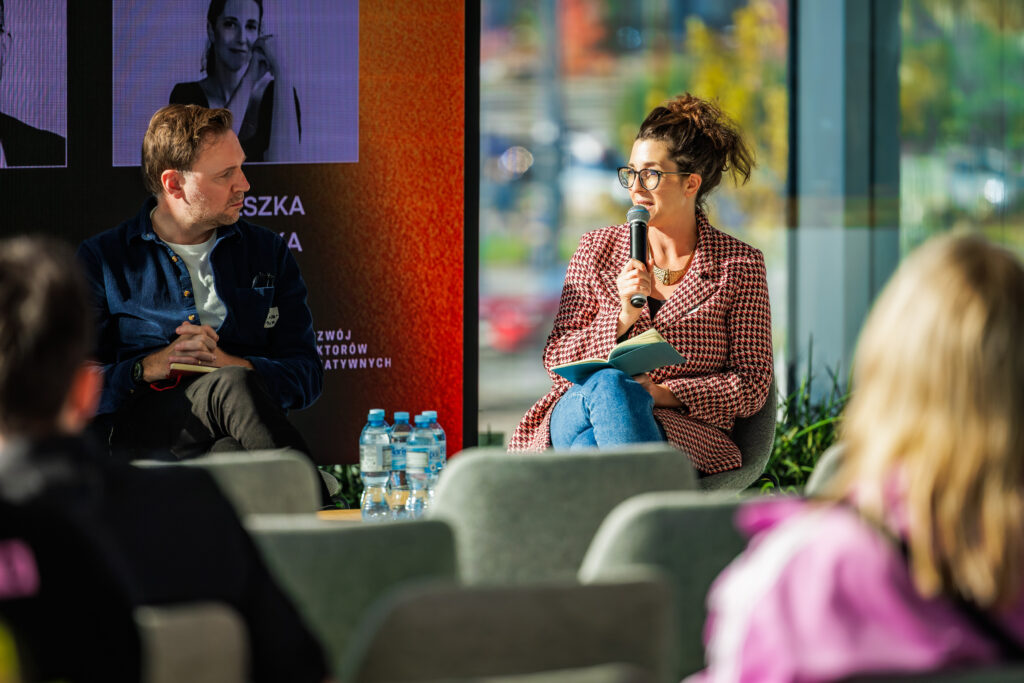
What signals, ideas, or formats do you feel emerging in art + tech, speculative design, or curatorial practices?
I believe 2026 will be a year of reality checks for AI and creative technology companies — especially in terms of business models, authorship, and trust. We will see which projects can truly sustain themselves and which were built only on hype.
Authorship and ethics will become central. The companies that succeed will be those that build transparent links between creators and technology, instead of extracting content, training in silence, or removing artists from the process. Collaboration rather than replacement will define the next phase of creative tech.
At the same time, I see a move away from large, standardized formats toward smaller, more adaptive ones: intimate labs, peer-to-peer learning, and curated micro-communities. People no longer want to be part of anonymous masses — they want deeper conversations and more meaningful exchange.
Curatorial practices are becoming more hybrid and experiential, blending physical and digital spaces, storytelling, participation, and technology. There is also a renewed importance of live events, as we increasingly crave presence, shared time, and real encounters after years of digital saturation.
Are there creative-tech intersections that you feel deserve more attention?
Yes, especially the intersection of creative tech with interior design, architecture, and everyday environments. Technology is slowly moving out of screens and into physical spaces — homes, public buildings, workplaces — and this opens huge potential for artists and designers to shape how we feel inside those spaces.
Curation is another area that deserves more focus. Not only exhibition curation, but curation of experiences, knowledge, and communities. In an age of overload, the ability to select, contextualize, and guide becomes a creative and cultural practice in itself.
What are you personally leaning into, or letting go of?
I am leaning into depth rather than scale, fewer projects, but more meaningful ones. More time for research, listening, and building long-term collaborations instead of rushing into fast outputs.
I’m also leaning into personalization: working closely with individuals and institutions to shape solutions that truly fit their context, rather than offering fixed programs or templates.
What I am letting go of is the idea that bigger is always better — bigger events, more participants, more visibility. I’m also letting go of the pressure to constantly chase trends or new tools. Instead, I want to focus on creating structures that support people, reflection, and sustainable growth in the creative tech ecosystem.
We are proud to have Agnieszka Cichocka as part of the CultTech Accelerator family — and we look forward to the conversations, connections and breakthroughs she will help our startups achieve.
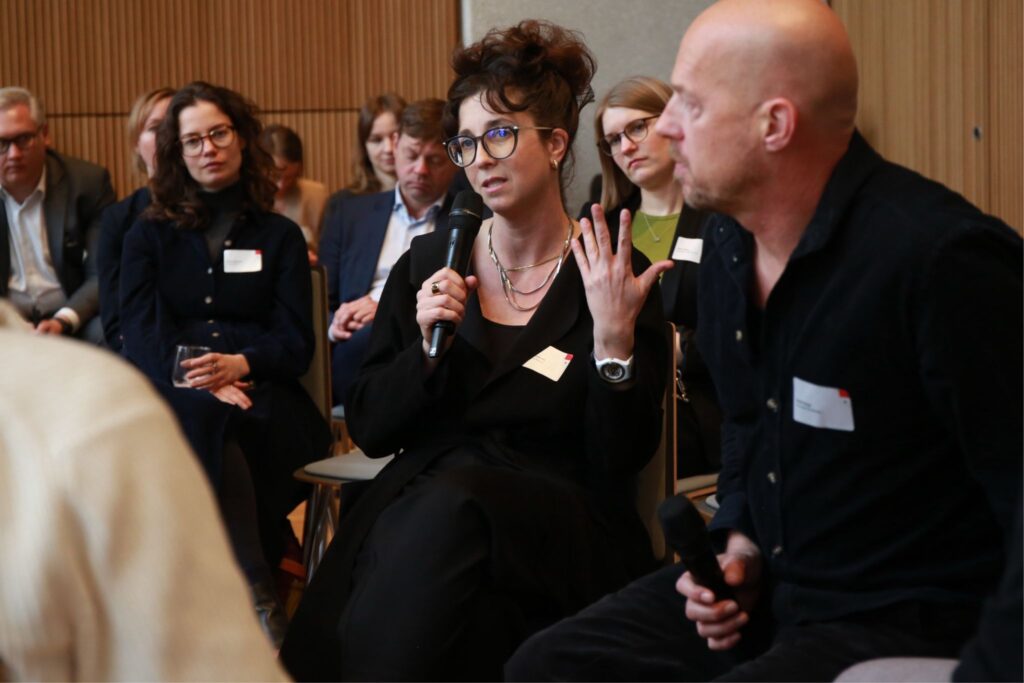
AREAS OF MENTORSHIP
- Funding & finance
- International partnerships
- Project management
- Team leadership